


Healing from the Hustle: Reclaiming Joy and Energy
You’ve spent years chasing goals.
Doing the most.
Succeeding by all outward measures.
But at some point, you realized: You were surviving your life… not living it.

Setting Boundaries Without Guilt: A Burned-Out Leader’s Guide
You say yes because you care.
Because you don’t want to let anyone down.
Because you’ve always been the reliable one.
But deep down… you’re exhausted.
And the truth is: Your burnout isn’t from doing too little, it’s from saying yes to too much.

Why Rest Feels Unproductive (and How to Rewire That Belief)
“I’ll rest when things slow down.”
“Rest is for people who aren’t trying to make things happen.”
“If I stop now, I’ll fall behind.”
If these thoughts sound familiar, you’re not alone.
In fact, for many women leaders, rest doesn’t just feel uncomfortable, it feels like failure.
But here’s the truth: The belief that rest is unproductive is a lie that keeps us burned out, bitter, and broken. Now, it’s time we rewrite that story.

The Hidden Signs of High-Functioning Burnout
You’re still showing up.
You meet deadlines.
You keep your calendar full.
You smile during meetings.
You’re the one everyone counts on.
But inside? You feel like you’re barely holding it together.
If that sounds familiar, you may be experiencing something many high-performing women silently suffer through: High-functioning burnout.
It’s quiet. It’s hidden. And it’s dangerously easy to miss.

It’s Time to Talk About Burnout: A Series for the Strong but Struggling
You hold it together at work, show up for your team, deliver under pressure, and push through even when you're running on empty.
But lately… The exhaustion feels heavier. The motivation is harder to find. And the spark that once fueled your leadership? It’s flickering.
You’re not broken. You’re burned out. And it’s time we talked about it.

Overcoming Impostor Syndrome: A Woman Leader’s Guide to Owning Her Success
Impostor syndrome is that nagging voice that questions your success, despite the evidence, and for women leaders, especially those navigating spaces where we’re the “only” or the “first,” it can feel like an invisible weight we carry.
Here’s the truth: you didn’t get lucky, you got here on purpose. Let’s talk about how to finally believe it.

Building a Powerful Network: How Women Leaders Can Support Each Other
There’s a quiet myth in leadership that says there’s only room for one. One woman at the table. One seat at the top. One voice in the room.
But here’s the truth: we rise higher, faster, and stronger when we rise together.

Negotiation Strategies for Women: How to Ask for What You Deserve
For many women, asking for more, whether it’s salary, visibility, support, or opportunity, comes with a wave of second-guessing: Will I seem ungrateful? Too aggressive? Will they take me seriously?
The data doesn’t lie: women negotiate less often, and when we do, we’re more likely to be penalized for it. But here’s the truth - negotiation isn’t confrontation. It’s communication, AND it’s a critical leadership skill.

How to Handle Being the Only Woman in the Room
It’s not just a feeling. It’s a dynamic. And for many women in leadership, this is still a regular part of their professional experience. Being the “only” in a room, whether due to gender, race, age, or background, can feel isolating, intimidating, and exhausting. But it can also be a space of quiet power and presence.

The Confidence Gap: Why Women Leaders Must Speak Up
As women leaders, we are often taught to be collaborative, not assertive. Helpful, not disruptive. Strategic, but not “too ambitious.” But here’s the truth: the cost of staying silent is too high. For your ideas. For your influence. For your future.
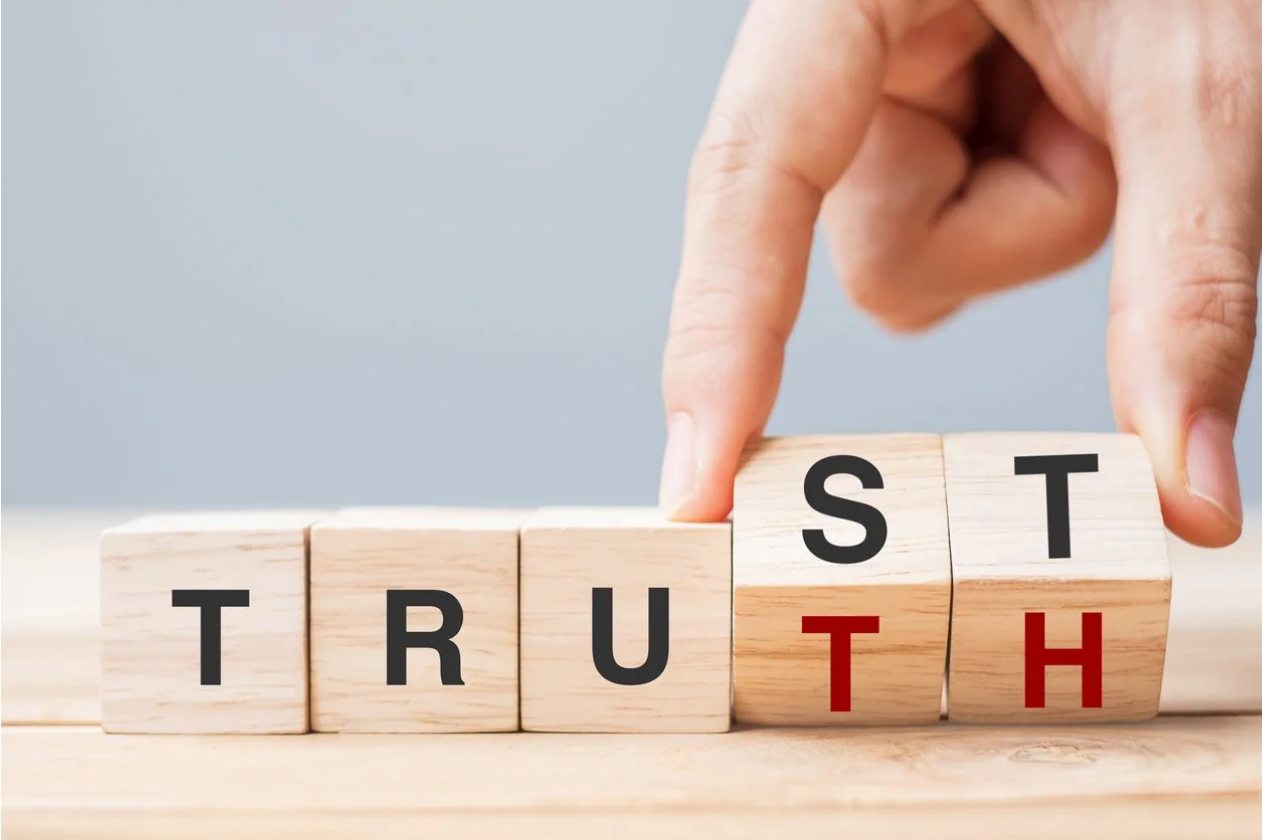
How to Build Trust as a Leader: 7 Actionable Steps
Building trust isn’t about grand gestures. It’s built in moments. In consistency. In how you show up even when no one’s watching. The good news? Trust is a skill. And like any skill, it can be learned and strengthened on purpose.